When choosing Halloween costumes for autistic kids, comfort and sensory-friendliness should always come first. Many children on the spectrum have heightened sensitivities to textures, tags, or restrictive clothing, so soft, breathable fabrics and simple designs are usually the best choice. Costumes with minimal seams, no itchy materials, and options that can be layered over everyday clothes (like pajamas or leggings) help reduce discomfort. Popular styles include onesies, capes, or hoodie-based costumes that feel familiar while still looking festive. Adaptive costumes, now widely available, often feature Velcro closures, stretchy waistbands, or hidden openings to make dressing easier and less stressful for both the child and the parent.
It’s also a good idea to pick costumes that connect to the child’s special interests, which can create excitement and familiarity rather than anxiety. For example, if a child loves animals, a cozy animal onesie can be perfect; if they are fascinated by superheroes, a lightweight cape and t-shirt set might feel more approachable than a bulky full-body suit. Many parents also find success with glow-in-the-dark or light-up accessories, which can add fun without overwhelming the child. Ultimately, the best Halloween costumes for autistic kids strike a balance between self-expression, sensory comfort, and practicality, ensuring that the holiday is a positive and inclusive experience.
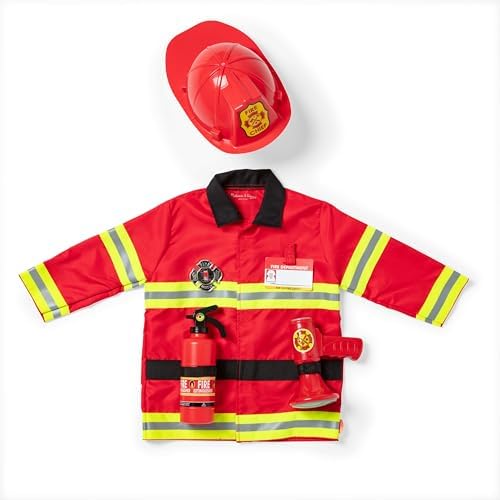
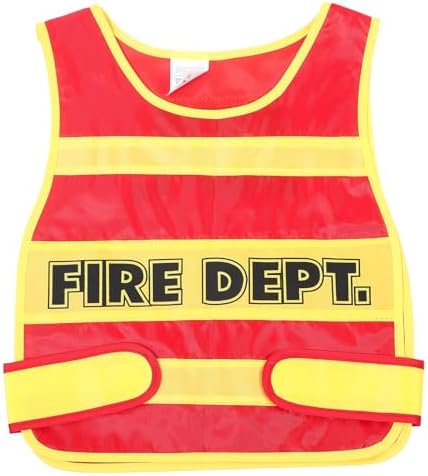
- Heroic Firefighter Costume: This firefighter outfit is not only a fun choice but also easy to wear. With a simple design and breathable fabric, it accommodates sensory needs while inspiring courageous play. Parents often commend its durable build, making it suitable for active play beyond just dress-up.

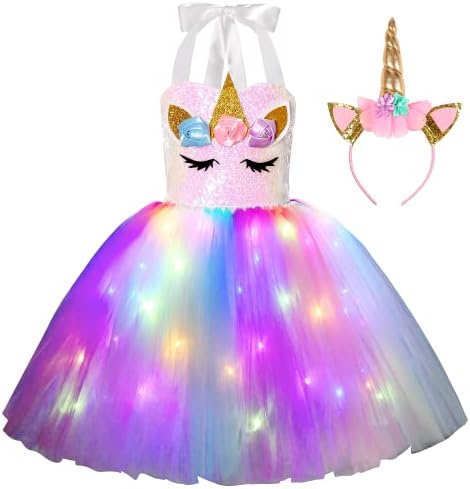
2. Magical Unicorn Dress: This enchanting unicorn dress is made from silky materials that feel gentle against the skin. Its roomy fit allows for comfortable movement, while the lively colors spark joy and creativity. Customer reviews affirm that this dress is a favorite for imaginative play without sacrificing comfort.


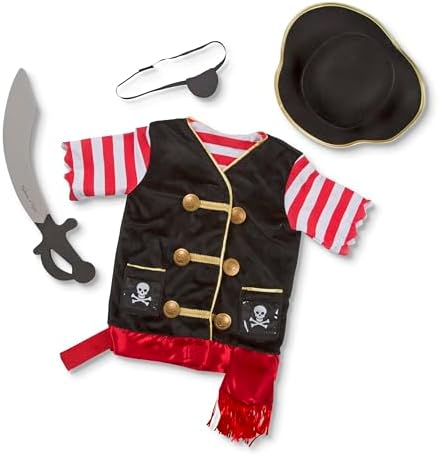
3. Classic Pirate Costume: Featuring a soft shirt and elastic waist pants, this pirate costume encourages imaginative play. The lightweight fabric ensures ease of movement, making it suitable for all-day wear. Parents appreciate the well-thought-out design that balances fun and comfort, making it a popular choice for themed parties.


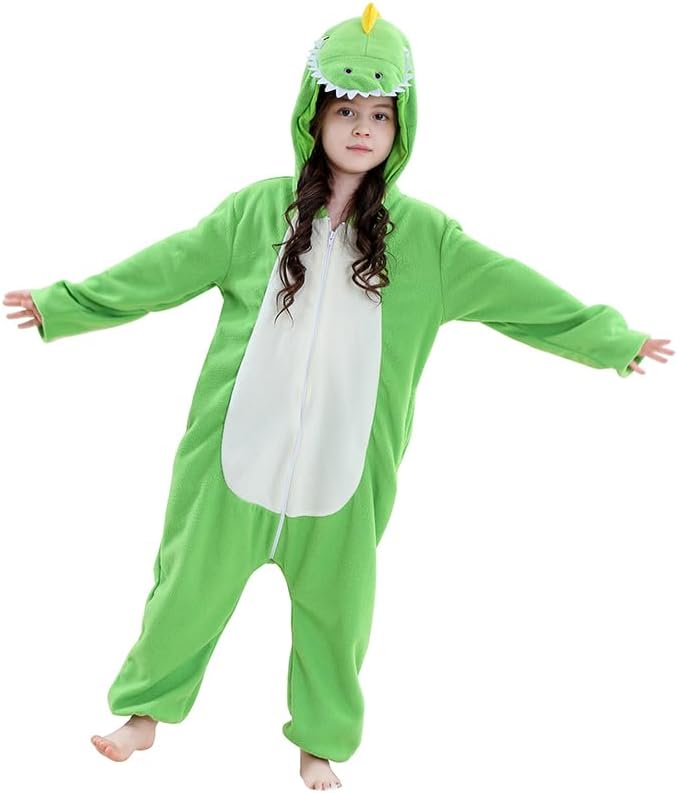
4. Cozy Dinosaur Onesie: This dinosaur onesie is both adorable and practical. It is made from soft, breathable materials that provide warmth without overheating. The sensory-friendly design minimizes discomfort, allowing kids to wear it for extended periods. Customer feedback praises how the vibrant colors and friendly dinosaur design captivate children’s imaginations.


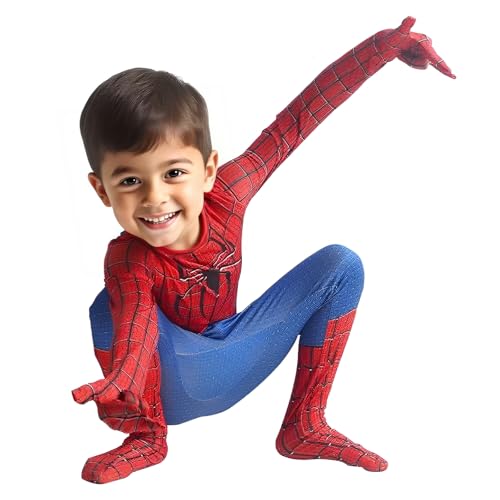
5. Super Soft Spider-Man Costume: This Spider-Man outfit made from ultra-soft fabric is designed for comfort. Its stretchy material allows for ease of movement, making it a great fit for active children. The costume features no irritating tags and minimal seams, which is perfect for kids with sensory sensitivities. Reviews highlight how thrilled kids are to embody their favorite superhero without compromising comfort

Additional Resources and Tips for Parents
When selecting costumes for autistic children, it is essential to consider their individual preferences and needs to ensure a positive and enjoyable experience. One way to create a smooth costume selection process is by personalizing the outfits. Simple modifications such as using softer fabrics, removing scratchy tags, or adding familiar textures can enhance comfort levels. Accessories that align with their interests—whether it’s a favorite character’s prop or clothing items that provide sensory input—can also make the costume feel more special and familiar.
Here are a few additional resources and strategies you (or any parent) might use to help figure out which costume will work best for your child:
Sensory-friendly costume guides and checklists
Organizations and blogs focused on autism often publish guides or checklists for sensory-friendly costumes. For example, Hopebridge offers “six buckets of accessible, autism-friendly costume ideas” to help you narrow down styles that reduce itch, restrictive accessories, or irritating components. hopebridge.com The Solterra Academy “Autism-Friendly Halloween Guide” provides parents with step-by-step advice: try costumes in advance, allow layering, avoid face paint or masks, and choose larger sizing so the child can wear their own comfortable clothes underneath. Solterra Academy
These guides often include questions you can ask your child (or test yourself) such as:
- “Does this fabric feel comfortable if worn inside out?”
- “Can they put it on and take it off with minimal help?”
- “Are there parts that dangle, flap, or scratch?”
Having those structured checklists helps you compare options more objectively and reduces anxiety about “picking the wrong one.”